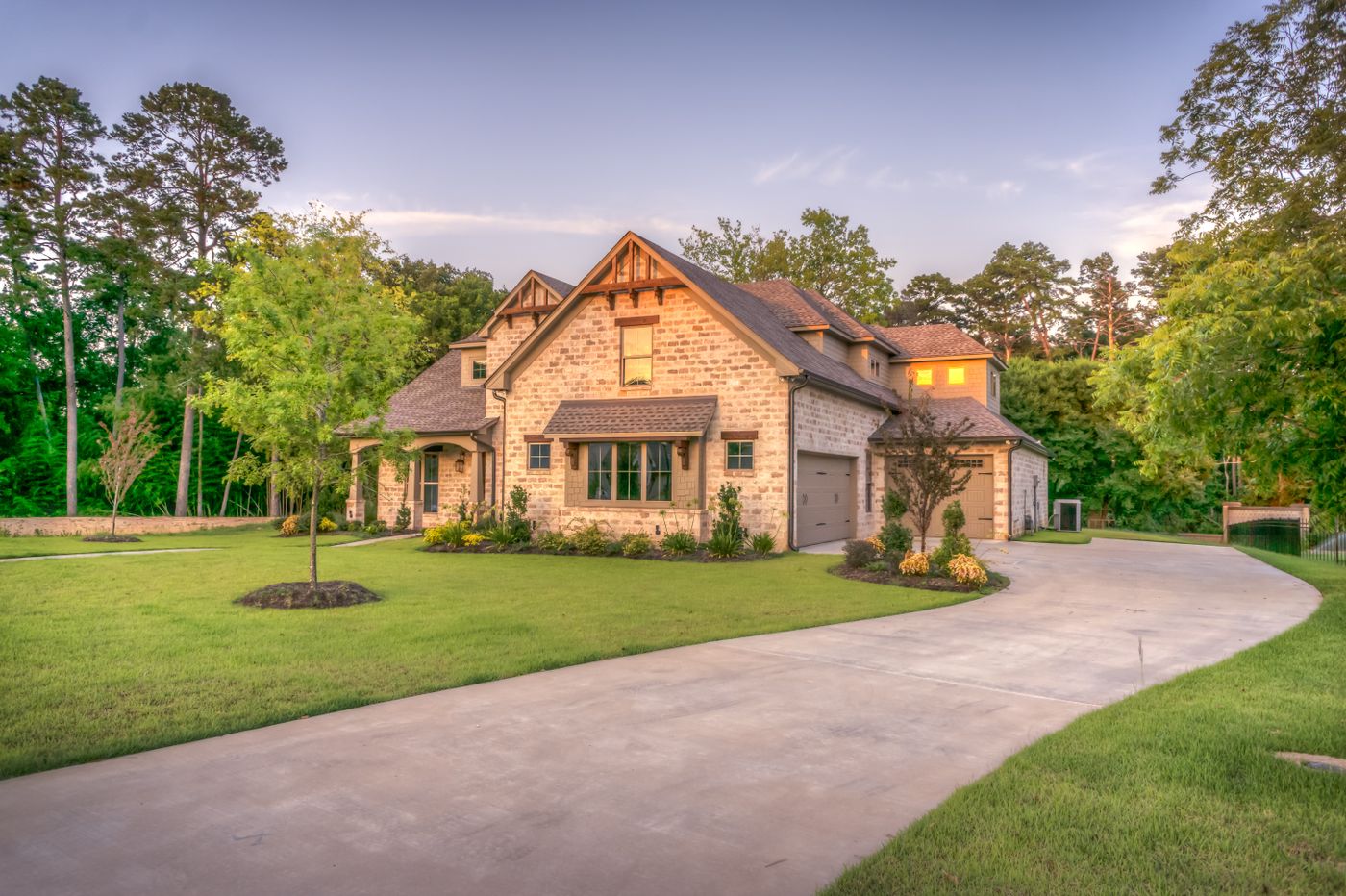
The bylaw's lower ground snow pressure, 1.8 kPa, covers north of the Trans-Canada. This neighbourhood is on that side. People still get drifts against a leeward wall. The repair you can see after a blow is usually a lifted edge, a missing ridge cap, or fine grass packed under a flashing, not a metre of ice. The Kamloops normals record gusts to 98 km/h in the 1991 to 2020 set. An open lot beside Lac du Bois does not need a private weather station to justify checking nails and edge metal after a loud night.
What to photograph before the call
From the ground, shoot the ridge, the downhill eaves, and any gutter that has tipped. Grass seed and dust in a valley show up in those frames. Do not climb a wet metal or asphalt slope to chase a cap. If the driveway is drifted shut, say that in the first sentence. A booking that assumes a clear North Shore street will waste the trip.
Grass in the valley mimics a shingle leak
Fine seed packed under a flashing holds a little water against the deck and then dries, so the ceiling mark looks intermittent. Have the valley cleared before anyone condemns the whole slope. The Batchelor Heights hub explains the grassland setting. If the covering is still wood, stop the patch cycle and book replacement. If a metal panel is drumming, the fastening talk belongs on the metal page.
A repair that ignores the gutter will repeat
Wind does not only lift shingles. It loads the gutter with dry grass. The next rain, even a short June storm in a city that gets just 38.6 mm that month at the station, overflows at the fascia and looks like a roof leak. Have the roofer empty and reset the gutter while they are up. FireSmart wants that gutter to be metal. A vinyl run full of cured grass is fuel, not drainage.
Call (236) 836-0303. Say Batchelor Heights and whether the street is currently passable.