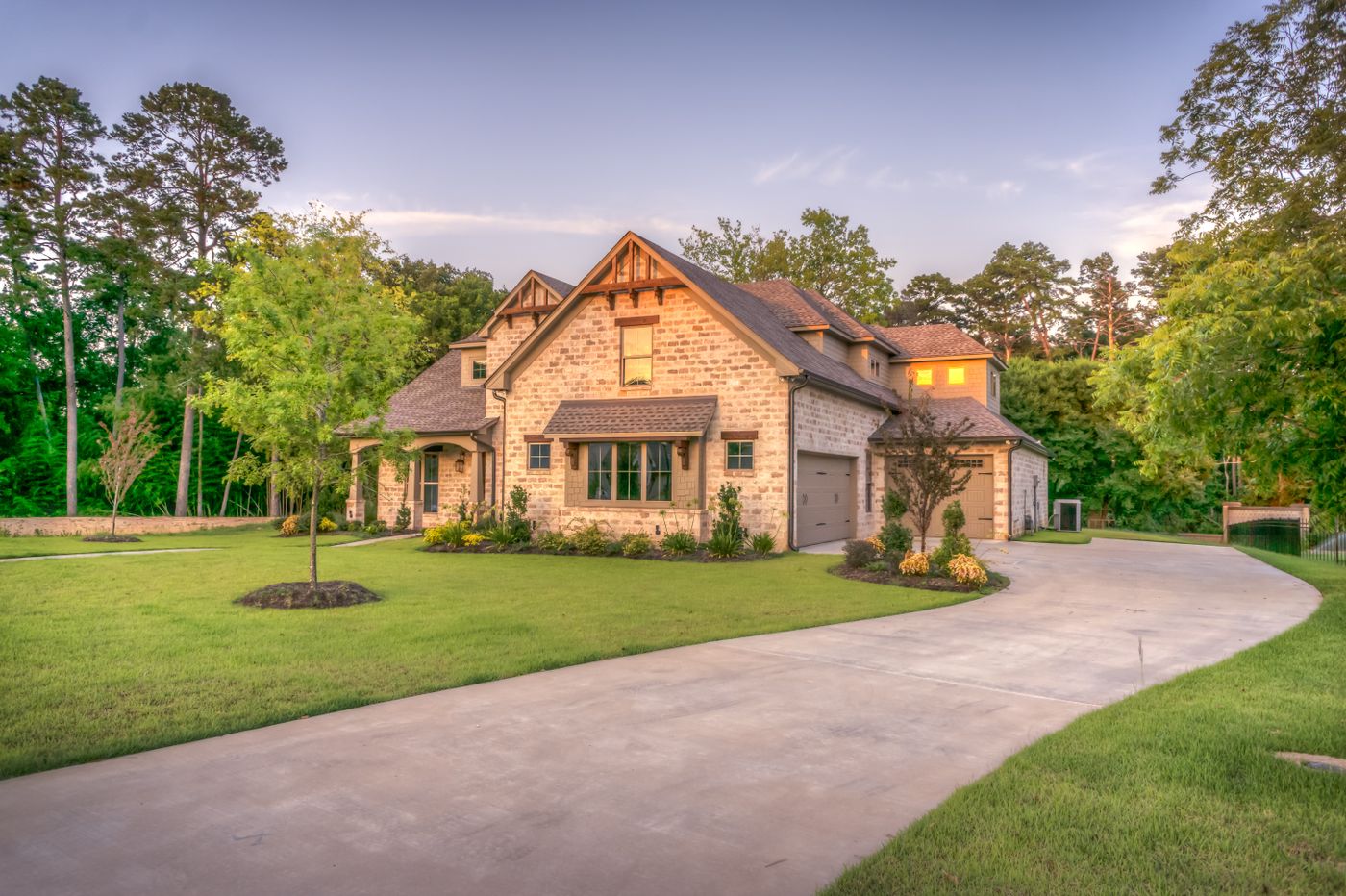
Detached houses from the town that joined Kamloops in 1967 usually have pitched asphalt. The leak is a boot, a valley, a chimney, or tabs that cooked in the valley heat. Walk the attic if you can do it safely and look for a wet rafter, because stains travel. These roofs sit in the 1.8 kPa design area. Snow is not the headline. Age is. The citywide census says about half of Kamloops homes predate 1980, and this old town is where a lot of that intuition comes from, without a block-by-block table to prove your street.
Newer apartment buildings are the other half of the calls. The housing report singled out North Shore rental buildings arriving around 2019. A leak there may be a scupper, a parapet, a failed membrane seam, or a drain full of gravel. Sending a shingle crew to a low-slope roof wastes a day. If you are a tenant, you may need the landlord or the strata on the call. This site will not pretend to be the building manager.
How to describe it in one minute
- House or multi-unit building.
- Pitched shingles or a flat-looking roof you cannot see from the sidewalk.
- Whether water is dripping this hour or the stain is dry.
- The nearest street to Tranquille Road or the old commercial district, so it is not booked as Brocklehurst or Westsyde.
Attic first if you can do it safely
On a pitched North Shore house, a dry day in the attic shows the leak path better than a guess from the lawn. Look for darkened wood and for daylight at a boot. Do not step off the joists. On a low-slope building you may not have an attic at all. In that case the roof drain and the parapet are the clues, and a tenant should not climb there. Background on the old town is on the North Shore hub.
If the pitched roof is done rather than punctured, go to North Shore replacement. Do not use a house tear-off plan on a membrane roof. Say that distinction when you call (236) 836-0303.